
About Us, Pitstop Welding
Welcome to Pitstop Welding, Wakefield
We are a small, family-run Welding business based in Horbury, Wakefield. We offer a variety of MIG Welding services and also offer on-site “we come to you” stick welding fixes. No job is too big, or too small. From removing rusty panels on older vehicles to welding a broken patio heater or awning. We are happy to help.

About Pitstop Welding
We are a family-run business, father and son, based in a Unit in Horbury. With years and years of Welding experience, there isn’t a job too big or too small for Pitstop Welding.
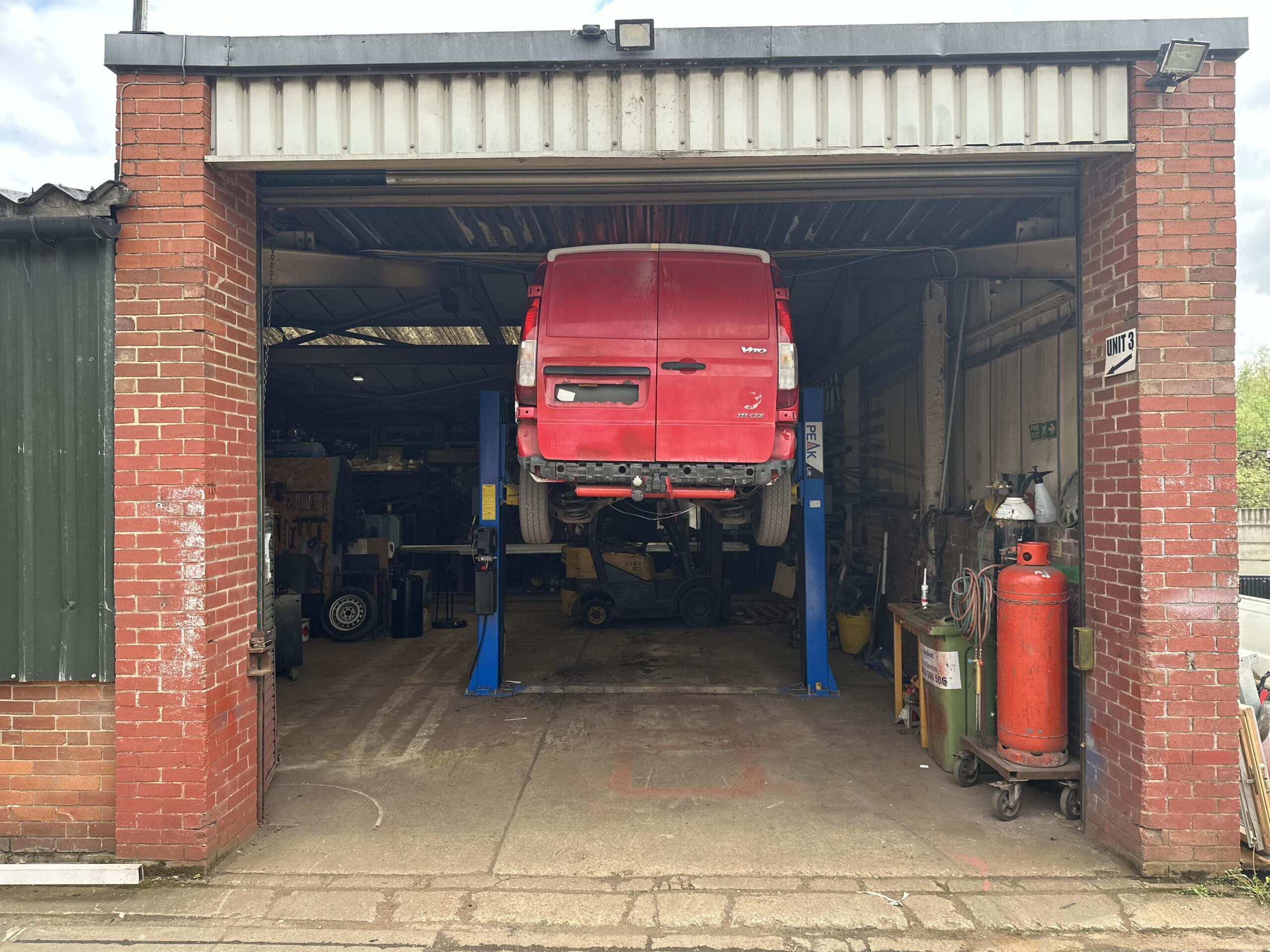
We can travel to you, if required within our local area and carry out on-site stick welding for gazebo repairs, patio heater repairs, etc or you can visit us. With a 2 poster vehicle ramp and all the tools, we are prepared for most Welding jobs.
We price fairly and are happy to provide a quote if you complete our contact form. It would also be useful to see any pictures of items requiring Welding – this would be very useful to us when providing a price.
Feel free to call into our workshop, Monday to Friday to discuss any potential jobs and meet Sam the head Welder.
Some of the Welding services we offer
- Vehicle restoration work
- MOT welding
- Exhaust repairs
- General welding repairs
- Mild steel welding services
- Metal fence repairs
- Metal gate repairs
- Bespoke gates/custom gates
- Security welding work/fabrication
- On-site welding (stick welding)
- Local welding
- Mezzanine floor welding


The history of Welding
Welding is an ancient practice that has been used for centuries to join metals together. The first evidence of welding dates back to the Bronze Age, around 3000 BC, when gold boxes were found in the tombs of Egyptian pharaohs that were welded together using a technique known as pressure welding.
However, it wasn’t until the 19th century that welding began to take shape as a modern industrial process. In 1800, British chemist Humphry Davy discovered the electric arc, which is the heat source used in modern welding. This discovery paved the way for the development of welding techniques and equipment that are still used today.
In the mid-1800s, the first patent for an arc welding process was filed by Frenchman Auguste de Méritens. The process involved using a carbon electrode to create an electric arc between two metal pieces, which then fused together. This process was later refined by Russian engineer Nikolai Benardos and his colleague Stanisław Olszewski, who developed a similar process using an electrode made of metal.
During the early 1900s, welding became increasingly important in the manufacturing industry as demand for metal products increased. The development of oxy-fuel welding and cutting, which involves using a flame to heat and melt metal, also contributed to the growth of welding as a modern industrial process.
In the 1920s and 30s, new welding techniques such as submerged arc welding and gas metal arc welding were developed, which allowed for faster and more efficient welding of metal. During World War II, welding played a crucial role in the production of military equipment, further cementing its importance in the industrial world.
Since then, welding technology has continued to advance, with the development of new welding processes such as laser welding and electron beam welding. Today, welding is a vital part of many industries, from construction to aerospace, and continues to play an important role in the development and manufacturing of modern products.